
Surfing apparel has become one of the most technically advanced categories in modern sportswear manufacturing because athletes compete directly against unpredictable environmental conditions. Unlike ordinary athletic wear, surfing suits must perform under constant saltwater exposure, changing temperatures, UV radiation, wind pressure, and continuous body movement without losing flexibility or thermal protection.
Because of this, a modern surfing suit manufacturer no longer focuses only on simple wetsuit production. Today’s marine sportswear companies develop highly engineered apparel systems designed specifically for wave performance, waterproof insulation, durability, and hydrodynamic efficiency.
The growth of professional surfing competitions, recreational surf tourism, and coastal activewear culture has also increased demand for technical marine apparel throughout international sportswear markets. According to global wetsuit market growth, waterproof performance apparel remains one of the fastest-growing segments in the athletic wear industry.
This evolution has transformed surfwear manufacturing into a specialized area where textile science, ergonomic construction, and marine performance technology all work together inside a single garment system.
Many sportswear brands now collaborate with custom sportswear manufacturing companies capable of developing technically advanced marine sportswear optimized specifically for surfing environments.
Why a Surfing Suit Manufacturer Focuses on Waterproof Flexibility
One of the biggest challenges in surfwear production involves balancing waterproof protection with unrestricted athletic movement. Surfers constantly paddle, rotate, dive, and transition rapidly between body positions while riding waves, which means excessive fabric stiffness can negatively affect overall performance.
Because of this, a professional surfing suit manufacturer carefully engineers garments capable of maintaining thermal insulation while still allowing natural flexibility during movement-intensive conditions.
Modern surfing apparel now commonly integrates lightweight stretch neoprene systems designed specifically to improve mobility without sacrificing insulation. Manufacturers also reduce seam density wherever possible because excessive seam construction can create stiffness and discomfort during extended sessions in the water.
Recent neoprene textile engineering research continues highlighting how advanced synthetic rubber systems improve waterproof performance while maintaining lightweight flexibility for marine sportswear applications.
Unlike older wetsuit generations that often became restrictive after long water exposure, modern surf apparel prioritizes ergonomic movement support and lightweight comfort. Manufacturers strategically reinforce high-stress areas such as shoulders, knees, and hips while preserving flexibility around high-mobility zones used heavily during paddling and wave control.
This approach allows modern surfwear to support both athletic performance and long-term durability under difficult marine conditions.
Lightweight Textile Systems Continue Reshaping Surfwear
Modern surfing apparel depends heavily on textile innovation because marine sports environments place enormous stress on fabric systems. Surfwear must resist saltwater degradation, maintain thermal efficiency, and remain lightweight enough to support constant movement during long sessions.
Performance fabric innovation continues influencing surfwear manufacturing through lighter waterproof textile systems capable of improving mobility and reducing water retention during wave sports.
A modern surfing suit manufacturer carefully evaluates several performance factors before production begins, including thermal retention, seam durability, flexibility, and water resistance.
| Surfing Requirement | Manufacturing Solution |
|---|---|
| Thermal protection | Insulated neoprene lining |
| Paddle flexibility | Stretch-performance panels |
| Water resistance | Waterproof seam engineering |
| Durability | Reinforced stress-point stitching |
Manufacturers increasingly use body-mapping techniques that position flexible materials strategically around shoulders and lower-body movement zones while maintaining insulation near core body areas. This allows surfers to maintain natural movement while reducing fatigue caused by heavy or restrictive apparel systems.
The transition toward lighter marine sportswear has become one of the biggest changes in modern surf apparel manufacturing over the last decade.
Surf Apparel Now Combines Performance and Branding
Surfwear has expanded far beyond technical athletic use and now functions as a major lifestyle apparel category influenced heavily by coastal fashion, athlete sponsorships, and outdoor sports branding.
Because of this shift, a surfing suit manufacturer now supports both waterproof performance engineering and premium customization systems.
Modern surfwear brands commonly produce customized wetsuits, compression surf apparel, thermal rash guards, marine jackets, and branded performance collections designed for both competition and lifestyle retail markets.
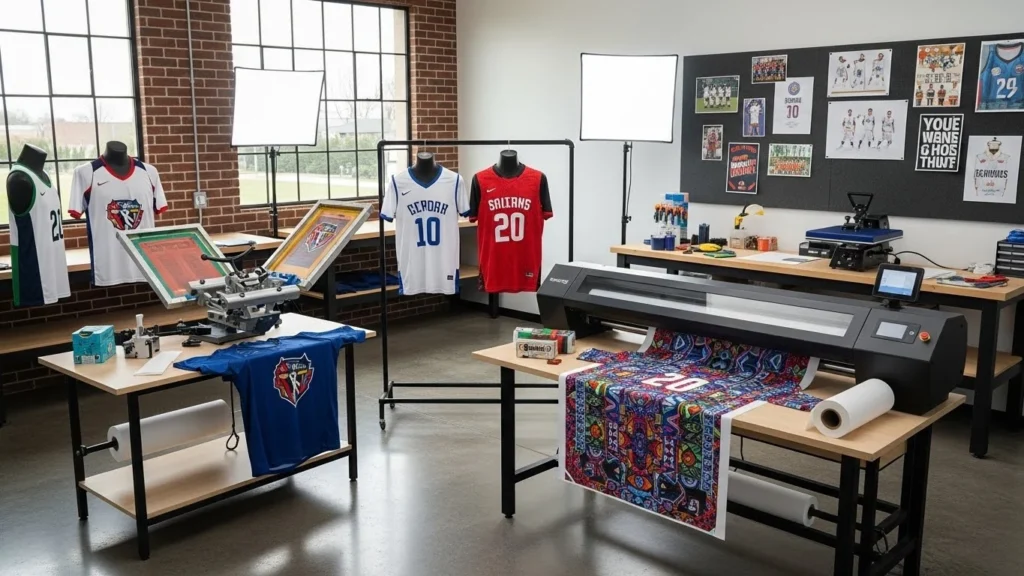
Manufacturers increasingly integrate sublimation systems capable of creating lightweight graphics that remain durable under continuous saltwater exposure. Unlike traditional print methods, sublimation graphics become integrated directly into textile structures while maintaining flexibility and long-term performance quality.
Many international surfwear companies now collaborate with sublimation sportswear specialists capable of combining marine sportswear engineering with advanced customization systems for professional branding applications.
This evolution has significantly expanded the commercial role of surfwear manufacturing throughout the global activewear industry.
OEM Production Is Expanding the Surfwear Industry
OEM manufacturing has become one of the most important growth models within modern sportswear production because it allows surfwear brands to scale efficiently without operating independent factories.
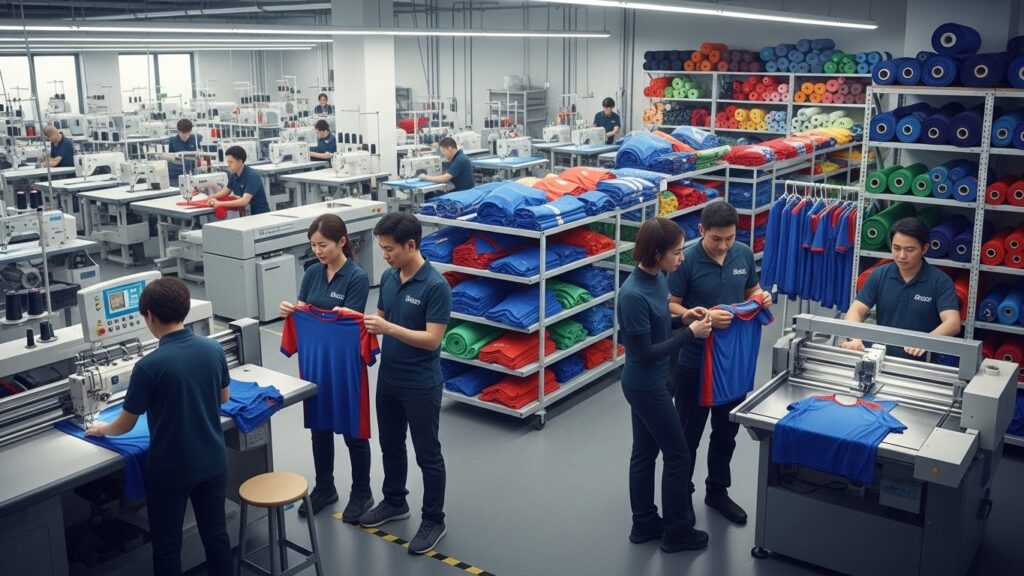
Many surf companies now work directly with OEM athletic apparel manufacturers responsible for neoprene sourcing, waterproof garment development, textile engineering, quality control, and bulk production operations.
This structure allows sportswear brands to focus more heavily on athlete partnerships, event marketing, retail distribution, and e-commerce growth while technical manufacturing remains managed by specialized production teams.
A dependable surfing suit manufacturer commonly supports:
- surf academies
- marine sports startups
- private label surfwear brands
- coastal retailers
Many businesses also collaborate with private label sportswear manufacturing providers capable of producing customized marine sportswear collections under independent brand identities.
Sustainability Is Influencing the Future of Surfwear
Environmental responsibility continues influencing modern surfwear manufacturing because surfing culture remains closely connected with ocean conservation and marine sustainability awareness.
Recent sustainable surf products research highlights how sportswear companies increasingly prioritize recycled neoprene alternatives, lower-impact adhesives, water-based lamination systems, and reduced textile waste production methods.
Modern surfwear production now balances:
- waterproof performance
- flexibility
- thermal insulation
- sustainability goals
Manufacturers capable of combining environmentally responsible production systems with advanced waterproof engineering are expected to remain highly competitive throughout the future marine sportswear market.
This transition toward sustainable manufacturing is also influencing consumer buying behavior as athletes increasingly seek products capable of delivering both technical performance and environmental responsibility.
Competitive Surfing Continues Driving Apparel Innovation
Professional surfing continues pushing manufacturers toward lighter, faster, and more flexible marine sportswear systems. As athletes demand greater mobility and reduced water resistance, surfwear technology continues evolving rapidly across international performance apparel markets.
Professional competitions and official surfing organizations increasingly influence apparel expectations by encouraging innovation in waterproof construction, hydrodynamic garment shaping, and lightweight insulation systems.
A modern surfing suit manufacturer now invests heavily in ergonomic fitting systems, rapid-dry textile engineering, lightweight thermal protection, and flexible waterproof construction designed specifically for elite marine sports performance.
These developments continue shaping the future of surfwear production while influencing broader outdoor sportswear manufacturing trends worldwide.
Conclusion
Surf apparel manufacturing has evolved into one of the most technically specialized areas of modern sportswear production where waterproof protection, thermal insulation, flexibility, and durability all play equally important roles.
Modern surfers increasingly require apparel capable of performing under demanding ocean conditions while maintaining lightweight comfort and unrestricted movement throughout long sessions in the water.
Working with an experienced surfing suit manufacturer allows sportswear brands, marine retailers, surf academies, and professional organizations to scale production while maintaining consistent quality across customized waterproof sportswear collections.
From insulated wetsuits and compression surf apparel to OEM manufacturing systems and private label marine sportswear development, professional manufacturing partnerships continue shaping the future of modern surfing apparel.
Businesses seeking scalable surfwear manufacturing and advanced waterproof sportswear solutions can explore professional production services through Bushi Sports®.