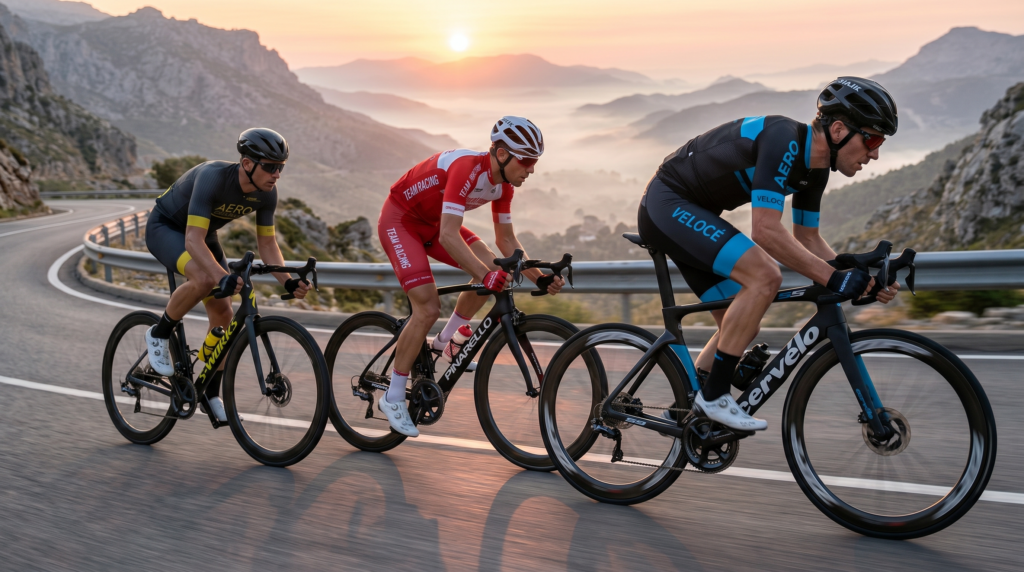
Cycling apparel has become one of the most technically advanced segments within the global sportswear industry. Professional riders no longer rely on simple jerseys and standard athletic shorts. Modern cycling garments are engineered specifically to improve aerodynamic efficiency, moisture control, lightweight movement, and endurance-focused comfort during long-distance competition.
Because cycling performance depends heavily on speed and energy conservation, even small improvements in apparel construction can influence overall athletic efficiency. Wind resistance, body temperature regulation, compression support, and lightweight textile engineering all directly impact rider performance during races and endurance training.
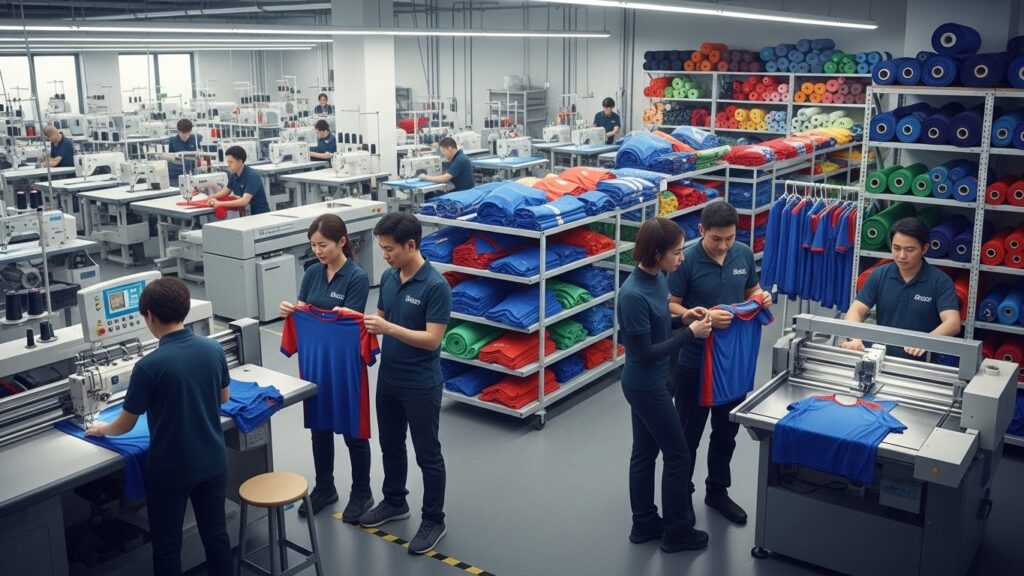
As a result, the role of a cycling uniform manufacturer has evolved far beyond basic garment production. Manufacturers are now expected to support technical apparel engineering, aerodynamic garment shaping, sublimation customization, and scalable OEM production systems for professional teams and sportswear brands.
Many global activewear companies entering this market now partner with custom cycling teamwear manufacturers capable of developing performance-driven cycling collections designed specifically for road cycling, mountain biking, indoor cycling, and triathlon sportswear.
Why a Cycling Uniform Manufacturer Focuses on Aerodynamics
Aerodynamics play one of the biggest roles in professional cycling performance because riders continuously battle air resistance throughout races and training sessions. Even a small reduction in drag can help athletes conserve energy and maintain higher speeds over long distances.
Because of this, a cycling uniform manufacturer carefully engineers apparel to minimize unnecessary fabric movement while improving body-contour fitting.
According to Union Cycliste Internationale performance regulations, professional cycling apparel must comply with strict standards related to athlete safety, competition integrity, and performance consistency. These regulations have encouraged manufacturers to develop increasingly technical garment systems optimized for high-speed riding conditions.
Unlike ordinary sportswear, cycling apparel is specifically shaped to remain close to the athlete’s body without restricting movement. Manufacturers therefore combine aerodynamic pattern construction with stretch-performance fabrics capable of supporting aggressive riding posture.
| Performance Requirement | Manufacturing Objective |
|---|---|
| Reduced wind resistance | Aerodynamic fabric shaping |
| Long-distance comfort | Moisture-control ventilation |
| Lightweight movement | Technical textile engineering |
| Muscle stabilization | Compression support systems |
| Professional appearance | Sublimation customization |
Modern cycling apparel is therefore engineered more like performance equipment than traditional athletic clothing.
How a Cycling Uniform Manufacturer Uses Technical Fabrics
Technical textile engineering has transformed modern cycling sportswear. Riders now expect apparel capable of maintaining flexibility, moisture control, lightweight comfort, and durability throughout extended training and competition sessions.
Recent performance textile engineering research highlights how advanced sports fabrics continue influencing the future of athletic apparel manufacturing through moisture-management systems and breathable lightweight textile development.
A professional cycling uniform manufacturer commonly uses microfiber polyester blends, compression-support fabrics, and laser-cut ventilation systems to improve both comfort and aerodynamic efficiency.
Unlike loose-fitting athletic wear, cycling garments must remain stable against the body while allowing unrestricted movement across the shoulders, back, and legs during high-intensity riding.
Modern cycling apparel frequently incorporates:
- compression-fit sleeve construction
- quick-dry moisture-wicking polyester
- breathable mesh ventilation zones
- lightweight seam engineering
Rather than relying only on basic sportswear fitting, manufacturers now apply body-mapping techniques that strategically position breathable textiles around heat-intensive movement areas.
This approach helps athletes remain comfortable during long rides while reducing excess garment drag.
Sportswear brands producing customized cycling apparel frequently collaborate with sublimation sportswear manufacturing specialists capable of supporting full-team customization and performance-focused garment production.
The growing popularity of advanced cycling apparel has also increased demand for moisture-wicking athletic apparel systems specifically engineered for endurance sports environments.
Branding and Visual Identity Continue Expanding
Cycling uniforms now serve both athletic and commercial purposes. Professional teams, event organizers, sponsors, and activewear brands all rely heavily on cycling apparel as part of their visual branding strategy.
Because cycling competitions provide constant sponsor visibility throughout races, media coverage, and promotional campaigns, apparel presentation has become extremely important within the cycling industry.
According to Forbes sportswear branding analysis, coordinated apparel branding significantly improves audience recognition and long-term consumer engagement throughout modern sports markets.
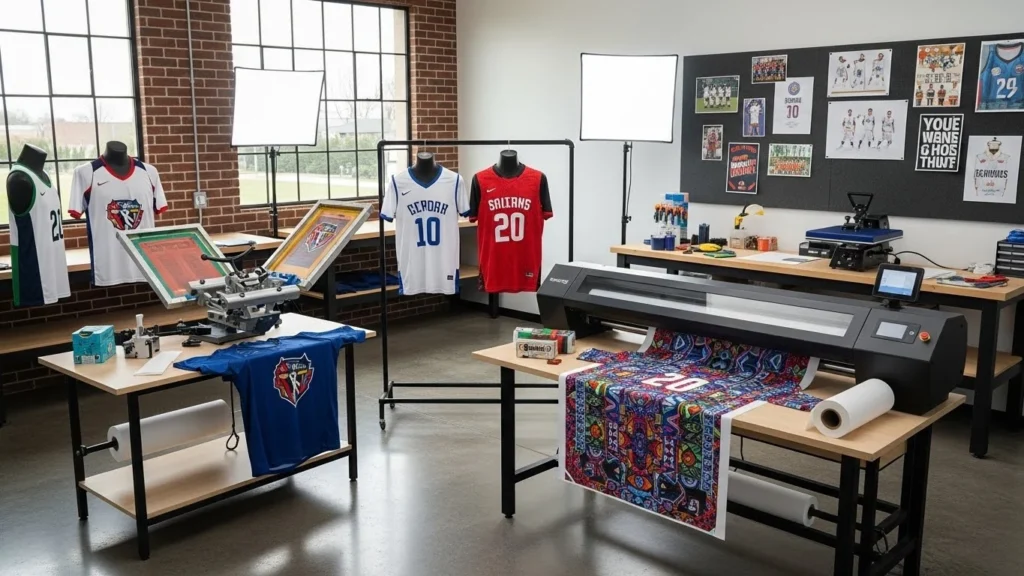
This trend has encouraged manufacturers to prioritize sublimation printing technology capable of producing vibrant graphics without increasing fabric weight or reducing flexibility.
| Branding Component | Business Benefit |
|---|---|
| Sublimated sponsor graphics | Stronger brand exposure |
| Team identity systems | Professional presentation |
| Coordinated color schemes | Better merchandise appeal |
| Retail-ready packaging | Improved customer perception |
A modern cycling uniform manufacturer therefore supports both athletic performance and commercial brand visibility simultaneously.
Many sportswear startups and growing activewear companies now partner with private label sportswear manufacturers capable of producing custom cycling collections under independent brand identities.
OEM Production Services Offered by a Cycling Uniform Manufacturer
OEM manufacturing has become one of the most important growth strategies within the sportswear industry because it allows brands to scale production without investing in large manufacturing facilities.
Rather than operating their own factories, many cycling businesses now work directly with OEM custom apparel manufacturers responsible for sourcing, development, production, and quality management.
An experienced cycling uniform manufacturer commonly supports:
| OEM Service | Production Advantage |
|---|---|
| Fabric sourcing | Consistent textile quality |
| Product sampling | Faster development cycles |
| Sublimation printing | Full customization flexibility |
| Bulk manufacturing | Scalable inventory growth |
| Packaging solutions | Retail-ready presentation |
This production model allows cycling brands to focus more heavily on sponsorships, retail growth, e-commerce operations, and athlete marketing while manufacturing partners handle technical production systems.
OEM apparel manufacturing has become particularly valuable for:
- cycling clubs
- sportswear retailers
- startup activewear brands
- race event organizers
- professional cycling teams
As cycling participation continues increasing globally, manufacturers capable of supporting customization flexibility and scalable apparel production are becoming increasingly valuable throughout the sportswear industry.
Why Quality Control Matters for a Cycling Uniform Manufacturer
Cycling garments experience continuous stretching, sweat exposure, weather conditions, and high-intensity athletic movement. Because of this, manufacturing precision plays a major role in long-term apparel performance.
A reliable cycling uniform manufacturer carefully evaluates every production stage to maintain consistent quality across large apparel orders.
Unlike fashion garments, cycling sportswear requires more technical testing because poor seam construction or inconsistent compression fitting can directly affect rider comfort and performance.
Manufacturers commonly monitor:
| Quality Standard | Purpose |
|---|---|
| Stitch durability | Long-term garment strength |
| Compression consistency | Muscle support reliability |
| Color precision | Accurate branding appearance |
| Fabric flexibility | Better riding mobility |
| Print durability | Long-lasting sublimation quality |
Recent activewear consumer behavior research suggests that consumers increasingly associate technical apparel quality with overall brand credibility and athlete trust.
For sportswear businesses, manufacturing consistency directly influences customer satisfaction, retail reputation, and long-term product reliability.
Future Sustainability Trends for a Cycling Uniform Manufacturer
Sustainability is becoming increasingly important throughout the global sportswear industry as consumers demand more environmentally responsible apparel production methods.
Many manufacturers are already integrating recycled polyester fabrics, lower-waste sublimation systems, and energy-efficient manufacturing technologies into cycling apparel development.
Research published through McKinsey sporting goods industry insights explains how performance apparel brands are increasingly balancing technical innovation with sustainable manufacturing practices.
Although aerodynamic performance remains the primary priority in cycling apparel engineering, environmentally responsible sourcing and production are expected to become far more important in future sportswear markets.
Manufacturers capable of combining sustainability, lightweight engineering, and performance-focused textile innovation will likely remain highly competitive as global cycling participation continues growing.
Conclusion
Cycling apparel manufacturing has evolved into a highly technical sector where aerodynamics, lightweight construction, moisture management, compression support, and branding all play essential roles.
Modern riders and sportswear companies increasingly require apparel capable of supporting endurance performance while maintaining aerodynamic efficiency and professional visual presentation.
Working with an experienced cycling uniform manufacturer allows cycling brands, retailers, and athletic organizations to scale production while maintaining consistent quality across customized performance apparel collections.
From aerodynamic cycling jerseys and compression bib shorts to sublimated teamwear and private label activewear systems, professional manufacturing partnerships continue shaping the future of cycling sportswear.
Businesses seeking scalable cycling apparel production and advanced aerodynamic sportswear solutions can explore professional manufacturing services through Bushi Sports®.