
The global sportswear and athleisure industry has entered a new phase where outerwear is no longer treated as seasonal or secondary apparel but as a core performance category that directly influences brand identity, athlete experience, and consumer lifestyle behavior. Among all outerwear categories, zip-up hoodies have become one of the most important and widely used garments due to their versatility, comfort engineering, and ability to transition seamlessly between sports performance and everyday fashion.
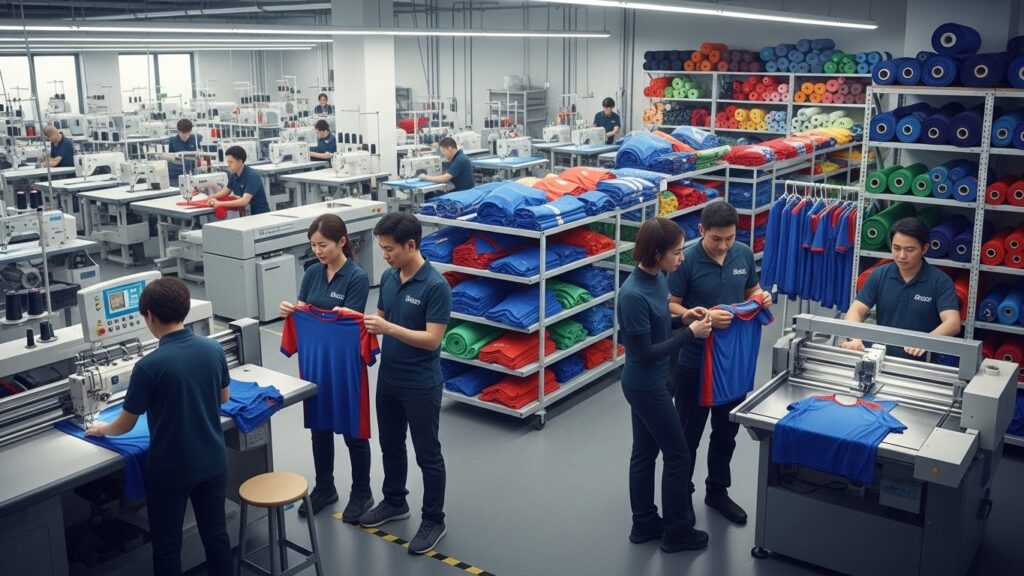
A modern zip-up hoodie manufacturer now operates in a highly advanced production environment where apparel is no longer simply stitched together but engineered through fabric science, ergonomic design systems, and scalable OEM manufacturing technologies. These manufacturers are responsible for transforming raw textiles into performance-driven garments that meet the expectations of athletes, fitness enthusiasts, and global fashion consumers simultaneously.
Unlike traditional hoodies that were designed only for warmth and casual comfort, today’s zip-up hoodies are built for multifunctional use cases. They are worn during athletic warm-ups, recovery sessions, outdoor running, gym training, travel routines, and even premium streetwear styling. This shift has forced manufacturers to adopt a far more technical approach to production, where every detail—from fiber selection to seam placement—impacts final performance.
Because of this evolution, many global sportswear brands collaborate with a custom wholesale activewear manufacturer to develop hoodie collections that combine performance engineering with modern fashion aesthetics, allowing them to compete effectively in global apparel markets.
Evolution of Zip-Up Hoodies in Modern Sportswear Culture
Zip-up hoodies originally entered the apparel market as simple athletic warm-up garments designed to maintain body temperature before and after training sessions. Over time, however, they evolved into essential lifestyle apparel items that reflect comfort, identity, and fashion adaptability.
The rise of athleisure culture has played a major role in this transformation. Consumers today expect clothing that performs across multiple environments without requiring wardrobe changes. As a result, hoodies are no longer limited to gym spaces but are now widely worn in airports, workplaces, urban environments, travel settings, and social outings.
A modern zip-up hoodie manufacturer must therefore consider not only athletic functionality but also visual identity, fabric drape, silhouette structure, and long-term comfort. This requires a balance between technical performance engineering and lifestyle fashion design principles.
Research on textile evolution from ScienceDirect textile engineering insights highlights how fiber innovation and advanced knit construction have significantly improved apparel flexibility, breathability, and durability in modern outerwear systems.
This evolution has repositioned zip-up hoodies as core wardrobe essentials rather than optional sportswear products.
Fabric Engineering as the Foundation of Hoodie Performance
Fabric innovation is one of the most important pillars of hoodie manufacturing because outerwear must simultaneously deliver warmth, softness, flexibility, durability, and breathability. A professional zip-up hoodie manufacturer carefully selects textile systems based on end-use performance requirements, ensuring that each hoodie is optimized for specific conditions such as training, recovery, or lifestyle wear.
Modern hoodies commonly use cotton-poly fleece blends, brushed knit interiors, French terry fabrics, and elastane-enhanced stretch materials. These fabrics allow hoodies to maintain a soft hand feel while also ensuring structural integrity during repeated washing, stretching, and movement cycles.
One of the most important innovations in this category is lightweight thermal engineering, where fabrics are designed to trap heat efficiently without adding excessive weight or restricting movement. This allows hoodies to function across multiple climates and activity levels.
Hoodie Fabric Engineering Breakdown
| Fabric Type | Function in Performance Wear |
|---|---|
| Cotton fleece | Soft insulation and comfort |
| Polyester blends | Moisture control and durability |
| French terry knit | Breathable lightweight comfort |
| Elastane blends | Stretch and flexibility support |
| Recycled fibers | Sustainable apparel production |
Industry insights from Textile World performance outerwear research explain how modern fabric engineering is reshaping outerwear production by integrating hybrid fiber systems and advanced knit structures.
OEM Manufacturing Systems and Global Apparel Scaling
OEM manufacturing is the backbone of modern hoodie production because it allows sportswear brands to scale quickly without investing in their own factories or production infrastructure. A zip-up hoodie manufacturer operating under an OEM system manages the entire production lifecycle, including fabric sourcing, sampling, pattern development, stitching operations, quality assurance, finishing, and packaging.
This system allows brands to focus on branding, digital marketing, retail distribution, and customer engagement while manufacturing partners handle technical production processes. It also ensures consistent quality control across large-scale production batches.
OEM systems are especially important in the fast-moving athleisure industry, where product cycles are short and consumer trends change rapidly. Manufacturers must therefore be capable of delivering both small-batch startup production and large-scale global manufacturing orders without compromising quality standards.
Many apparel businesses collaborate with a custom sportswear manufacturer to develop private label hoodie collections tailored to specific markets, seasonal trends, and brand identities.
Ergonomic Design and Functional Engineering in Hoodies
Modern hoodie design has evolved into a technical engineering discipline where every cut, seam, and panel serves a functional purpose. A professional zip-up hoodie manufacturer integrates ergonomic construction methods that enhance movement efficiency, comfort, and durability across different usage scenarios.
Key design innovations include articulated sleeve construction, adjustable hood systems, reinforced zipper placements, ribbed cuff structures, and precision panel shaping. These features ensure hoodies maintain structural stability while adapting to body movement during athletic or casual use.
Ventilation systems are also becoming more common, with mesh zones strategically placed in high-heat areas such as underarms or upper back panels to improve airflow and temperature regulation.
Unlike traditional hoodies, modern designs must function equally well in athletic, travel, and lifestyle environments, requiring precise engineering across all structural elements.
Athleisure Growth and Global Market Expansion
The global rise of athleisure fashion has significantly increased demand for zip-up hoodies as consumers prioritize comfort-oriented apparel that transitions easily across different environments. Hoodies are now considered essential wardrobe items rather than seasonal clothing.
A zip-up hoodie manufacturer must therefore develop versatile product lines that combine performance functionality with modern aesthetics. Slimmer silhouettes, neutral color palettes, minimal branding, and premium fabric textures have become dominant design trends in global markets.
Many brands also collaborate with a custom wholesale casual wear manufacturer to create coordinated apparel collections that include hoodies, joggers, and lifestyle outerwear systems designed for cohesive branding.
According to Grand View Research athleisure market insights, the global athleisure sector continues to experience strong growth due to rising demand for multifunctional clothing systems that combine fashion and functionality.
Sustainability in Modern Hoodie Manufacturing Systems
Sustainability has become a critical priority in global apparel manufacturing as consumers demand environmentally responsible production practices. A modern zip-up hoodie manufacturer increasingly integrates eco-friendly systems such as recycled polyester fabrics, low-impact dyeing methods, water-efficient production processes, and waste-reduction cutting systems.
Sustainable hoodie production also focuses on improving garment durability, ensuring products last longer and reduce overall textile waste in consumer cycles. This approach aligns with global sustainability goals and enhances brand value in competitive markets.
Research from McKinsey fashion sustainability report highlights how sustainability is now a major competitive advantage in the global apparel industry, particularly in sportswear and athleisure sectors.
Technology Integration in Hoodie Manufacturing
Technology is transforming hoodie production through automation, digital engineering, and AI-driven systems that improve efficiency and precision. A modern zip-up hoodie manufacturer now uses digital pattern-making software, automated cutting machines, 3D garment simulation tools, and AI-based sizing systems to enhance production accuracy.
These technologies reduce material waste, improve consistency, and shorten product development cycles, allowing brands to bring new designs to market faster. They also ensure consistent sizing across large-scale production batches, which is essential for global retail distribution.
According to Fibre2Fashion apparel manufacturing technology insights, automation and digital tools are rapidly reshaping global textile production systems.
Future of Zip-Up Hoodie Manufacturing
The future of hoodie manufacturing will focus on adaptive apparel systems, smart textiles, and multifunctional garments capable of responding to environmental conditions and body movement. Manufacturers are already exploring temperature-regulating fabrics, seamless knitting systems, and lightweight insulation technologies designed for year-round use.
Consumers now expect hoodies to function across training, travel, recovery, and lifestyle scenarios, pushing manufacturers to innovate beyond traditional garment construction methods.
Brands that invest in advanced OEM partnerships with a professional zip-up hoodie manufacturer will gain a competitive advantage in the rapidly evolving global sportswear industry.
Conclusion
Zip-up hoodie manufacturing has evolved into a highly technical and innovation-driven sector of the global sportswear industry. A modern zip-up hoodie manufacturer combines fabric engineering, ergonomic design, sustainability practices, and OEM production systems to create outerwear that performs across athletic and lifestyle environments.
From premium fleece hoodies to scalable private label manufacturing systems, zip-up hoodies continue to play a central role in shaping the future of global athleisure and performance apparel markets.
Businesses seeking OEM hoodie production, bulk manufacturing, or private label outerwear solutions can explore professional services through Bushi Sports.
Email: info@bushisports.com
WhatsApp: +92 348 4018578