Compression apparel has become one of the fastest-growing categories within modern athletic wear because athletes increasingly expect sportswear to deliver more than basic comfort and visual appeal. Modern performance apparel is now engineered to support muscle stability, movement efficiency, recovery performance, and long-duration athletic comfort simultaneously.
Among the most technically advanced products within this category are compression tights designed specifically for high-performance athletic environments.
Unlike ordinary leggings or standard gym bottoms, compression tights function as engineered support garments developed around pressure-distribution systems. This evolution has transformed the role of a compression tights manufacturer into a highly specialized area of sportswear engineering where biomechanics, textile science, ergonomic garment construction, and recovery-focused apparel systems all work together.
Compression tights are now widely used across:
- Running and endurance sports
- Football and rugby training
- Strength conditioning
- CrossFit and HIIT workouts
- Cycling and triathlon training
- MMA and combat sports
- Rehabilitation programs
- Professional gym training
This growing adoption has significantly expanded global demand for technically advanced compression apparel.
Many fitness brands now collaborate with Bushi Sports as a custom wholesale activewear manufacturer capable of producing high-performance compression tights optimized for professional sportswear markets.
Compression Apparel Is Built Around Pressure Engineering
One of the most important differences between ordinary sportswear and compression garments is the way pressure interacts with the body during movement.
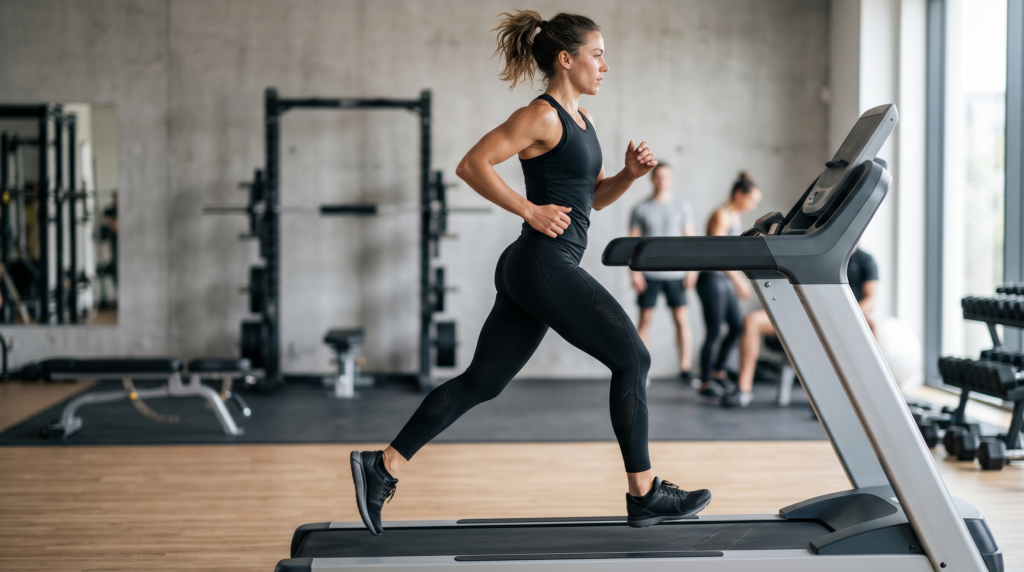
A professional compression tights manufacturer carefully engineers garments to apply controlled pressure around lower-body muscle groups without limiting flexibility or movement efficiency.
Unlike loose athletic apparel that moves independently from the body, compression tights remain closely fitted to create:
- Muscle stabilization
- Reduced muscle vibration
- Controlled movement support
- Lower garment drag during training
Recent compression garment engineering studies published through ScienceDirect explain how pressure-distribution systems influence high-performance sportswear development across modern athletic apparel manufacturing.
Modern compression tights commonly rely on:
- Four-way stretch textiles
- Graduated compression mapping
- Elastic recovery systems
- Ergonomic panel construction
The amount of compression varies depending on the intended athletic application. Training-focused compression tights generally prioritize flexibility and breathability, while recovery-oriented garments may use stronger pressure systems to support circulation and muscle recovery.
Because compression garments operate under continuous tension, manufacturers must carefully balance elasticity, support, durability, and long-term comfort.
This engineering-focused production process makes compression apparel manufacturing significantly more technical than ordinary activewear production.
Recovery-Focused Sportswear Is Expanding Compression Apparel Demand
One of the biggest reasons compression apparel has expanded globally involves the increasing importance of recovery-focused athletic training.
Modern athletes increasingly view recovery as a critical part of overall performance improvement. This shift has transformed compression tights from optional sportswear into important components of athletic recovery systems.
Recent compression clothing benefits analysis available through ResearchGate highlights how athletes frequently wear compression garments during and after exercise to support muscle comfort and reduce post-workout fatigue sensations.
Unlike ordinary sportswear focused mainly on appearance and sweat management, compression garments are specifically designed around body-support functionality.
A reliable compression tights manufacturer therefore prioritizes:
- Compression consistency
- Stretch-recovery stability
- Lightweight pressure systems
- Long-duration comfort
Compression tights are now regularly used:
- After strength training
- During recovery sessions
- During rehabilitation routines
- Between competitive events
- During travel and mobility recovery
This trend has expanded the market beyond professional athletics into:
- Wellness apparel
- Gym wear brands
- Physiotherapy clothing
- Recovery-focused activewear
Modern sportswear brands increasingly market compression tights as both performance apparel and recovery-support garments simultaneously.
Businesses entering the recovery-focused activewear market frequently partner with Bushi Sports OEM Activewear Production for scalable private label compression apparel manufacturing.
Fabric Selection Determines Compression Tights Performance
Fabric engineering remains one of the most important aspects of athletic performance wear manufacturing because compression systems rely heavily on textile elasticity and structural recovery.
A dependable compression tights manufacturer carefully selects materials capable of maintaining pressure consistency during repetitive athletic movement.
Modern compression tights commonly use blends containing:
- Polyester
- Nylon
- Elastane
- Spandex
These textile systems allow garments to stretch dynamically while still returning to their original compression structure after movement.
Recent performance textile innovation analysis published by Textile World continues highlighting how sportswear fabrics are becoming lighter, more breathable, and more durable across performance apparel manufacturing.
Unlike older compression garments that often felt heavy and restrictive, modern compression tights now prioritize:
- Lightweight support
- Sweat evaporation
- Airflow management
- Flexibility during movement
Manufacturers increasingly integrate mesh ventilation zones and moisture-management systems into compression garments to improve comfort during high-intensity training.
| Compression Requirement | Engineering Solution |
|---|---|
| Muscle stabilization | Graduated compression textiles |
| Movement flexibility | Four-way stretch fabrics |
| Sweat management | Moisture-wicking systems |
| Long-term durability | Reinforced seam construction |
This balance between support and breathability has become one of the defining characteristics of modern compression sportswear production.
Sportswear brands looking for advanced textile-based apparel systems frequently explore Private Label Activewear Solutions for custom compression garment development.
Seam Construction Plays a Major Role in Compression Apparel
Seam engineering is far more important in compression apparel than many consumers realize.
Because compression tights remain tightly fitted against the body, poor seam construction can create:
- Skin irritation
- Restricted flexibility
- Pressure discomfort
- Reduced garment durability
A professional compression tights manufacturer carefully positions seams around movement-intensive areas to reduce friction during athletic activity.
Modern compression garments increasingly use:
- Flatlock stitching
- Bonded seam systems
- Seamless knitting technologies
- Ergonomic panel construction
Unlike ordinary apparel where seams mainly connect garment sections, compression garment seams also influence how pressure distributes across muscle groups.
Manufacturers must therefore balance seam durability with flexibility to ensure garments remain comfortable during repetitive athletic movement.
This seam-focused engineering process has become a major innovation area within performance sportswear manufacturing.
Technical sportswear construction resources published by Performance Days continue emphasizing the growing importance of ergonomic garment engineering within high-performance activewear categories.
Compression Tights Are Expanding Beyond Competitive Athletics
Compression apparel is no longer limited to professional athletes or gym-focused environments. Modern consumers increasingly wear compression tights across:
- Travel routines
- Outdoor fitness activities
- Casual athleisure styling
- Wellness-focused lifestyles
This has transformed compression apparel into both a technical sportswear category and a lifestyle activewear product.
Recent activewear market growth analysis from Grand View Research continues showing how demand for support-focused apparel continues expanding across broader wellness and athleisure markets.
Because of this shift, a modern compression tights manufacturer now focuses not only on athletic functionality but also on:
- Modern aesthetics
- Premium textile feel
- Minimalist branding
- Everyday wearability
Many brands now combine compression apparel with athleisure collections through partnerships with Bushi Sports Custom Sportswear Manufacturing capable of producing coordinated lifestyle activewear systems.
This crossover between sportswear engineering and fashion has significantly expanded the commercial value of compression apparel manufacturing.
Compression Tights Are Widely Used in Team Sports
Compression tights have become extremely common within professional team sports because athletes frequently wear them under uniforms during training and competition.
Football, basketball, rugby, baseball, cycling, and combat sports organizations often integrate compression garments into official performance apparel systems.
A scalable compression tights manufacturer commonly works with:
- Professional sports teams
- School athletic programs
- Training academies
- Sportswear retailers
Compression garments within team environments commonly support:
- Thermal regulation
- Muscle support
- Recovery layering systems
- Uniform consistency
Many organizations now collaborate with Sports Uniform Manufacturing Solutions to integrate compression apparel into coordinated teamwear production systems.
This has significantly expanded OEM demand throughout the global sportswear industry.
OEM Manufacturing Drives Compression Apparel Production
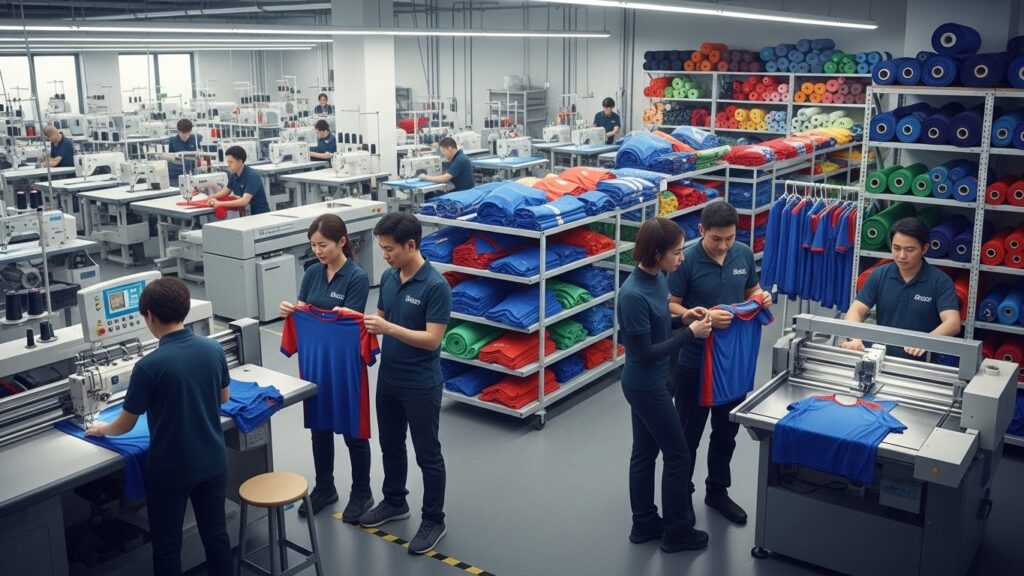
OEM production has become essential within compression apparel manufacturing because technical garments require precise sizing systems and advanced textile control.
A modern compression tights manufacturer commonly manages:
- Textile sourcing
- Compression testing
- Garment sampling
- Pattern engineering
- Bulk apparel production
Unlike ordinary sportswear, compression garments require highly accurate fit consistency because even small sizing differences can affect garment functionality.
Many sportswear companies now rely on professional manufacturing services from Bushi Sports for scalable compression apparel production while internally focusing on branding, ecommerce expansion, and athlete marketing.
OEM manufacturing has become especially important for:
- Startup gym apparel brands
- Running apparel companies
- Combat sportswear brands
- Endurance fitness retailers
At the same time, many businesses expand into coordinated performance collections through broader OEM sportswear manufacturing partnerships.
Sustainability Is Reshaping Compression Sportswear Manufacturing
Sustainability has become increasingly important within modern sportswear manufacturing as brands seek environmentally responsible production systems.
A future-focused compression tights manufacturer increasingly invests in:
- Recycled polyester fabrics
- Low-impact dye technologies
- Lightweight sustainable textiles
- Reduced textile waste systems
Recent performance sportswear manufacturing trends analysis from McKinsey & Company highlights how activewear brands increasingly prioritize sustainability alongside technical performance innovation.
Compression garments present unique sustainability challenges because elasticity-based fabrics are often more difficult to recycle than standard textiles.
Because of this, manufacturers continue experimenting with eco-conscious stretch-performance materials capable of balancing sustainability and athletic functionality.
This area is expected to become one of the largest innovation drivers in future compression apparel manufacturing.
The Future of Athletic Performance Wear Manufacturing
The next generation of compression apparel manufacturing will likely focus heavily on adaptive textile systems capable of responding dynamically to movement, pressure, and body temperature.
Manufacturers are already exploring:
- Smart compression fabrics
- Body-mapping pressure systems
- Seamless adaptive knitting
- Thermal-regulating textile technologies
At the same time, athletes increasingly expect garments capable of balancing:
- Support performance
- Lightweight comfort
- Long-term durability
- Movement flexibility
Recent fitness apparel innovation analysis published through Fibre2Fashion highlights how modern consumers increasingly expect technical sportswear to function across training, recovery, travel, and lifestyle applications simultaneously.
This multifunctional demand is expected to continue reshaping the future of activewear engineering.
Manufacturers capable of combining:
- Textile innovation
- Ergonomic construction
- Scalable OEM production
- Sustainable manufacturing systems
will likely remain highly competitive throughout the future compression sportswear market.
Businesses interested in modern sportswear production can learn more through Bushi Sports Global Sportswear Manufacturing and its expertise in OEM athletic apparel development.
Conclusion
Compression apparel manufacturing has evolved into one of the most technically advanced areas of modern sportswear production where textile science, ergonomic construction, support engineering, and recovery-focused garment development all work together.
A reliable compression tights manufacturer now plays a major role in helping sportswear brands create garments optimized for muscle stabilization, movement efficiency, workout comfort, and long-duration athletic performance.
From lightweight training tights and seamless recovery apparel to OEM production systems and private label activewear collections, professional manufacturing partnerships continue shaping the future of athletic performance wear manufacturing.
Businesses seeking scalable compression apparel production and customized OEM sportswear solutions can explore manufacturing support through Bushi Sports for modern activewear development and global bulk apparel production.
Contact Bushi Sports for OEM Compression Apparel Manufacturing
If you are looking for a reliable compression tights manufacturer for OEM production, private label activewear, bulk apparel manufacturing, or custom sportswear solutions, Bushi Sports provides professional manufacturing support for global sportswear brands and fitness businesses.
Services Include:
- OEM sportswear manufacturing
- Private label activewear production
- Custom compression apparel
- Bulk gym wear manufacturing
- Team uniform production
- Sublimation sportswear manufacturing
- Fitness apparel development
- Wholesale sportswear supply
Contact Information:
Email: info@bushisports.com
WhatsApp: wa.me/bushisports