
Running apparel has become one of the most technically engineered categories within modern sportswear manufacturing because long-distance movement places continuous physical demands on both athletes and garments. Among the most important products in this category are running shorts designed specifically for movement efficiency, airflow, lightweight comfort, and long-term durability.
Unlike ordinary athletic shorts, modern running shorts are engineered around biomechanics and repetitive motion performance. A professional running shorts manufacturer must carefully balance weight reduction, fabric flexibility, sweat management, and ergonomic fitting to ensure apparel supports athletes throughout training and competition.
As competitive running, marathon culture, and fitness-focused lifestyles continue growing globally, demand for technically advanced running apparel has increased significantly. Many global sportswear brands now collaborate with custom sportswear manufacturing companies capable of producing lightweight running apparel optimized specifically for endurance-based athletic environments.
Modern consumers also expect running shorts to function beyond performance use. Today’s athletic apparel increasingly combines technical sportswear engineering with lifestyle comfort and minimalist fashion presentation, making running apparel more commercially important than ever before.
Why Lightweight Construction Matters in Running Apparel
Weight reduction remains one of the biggest priorities in endurance sportswear manufacturing because even small increases in garment weight can affect long-distance comfort during extended movement.
A professional running shorts manufacturer therefore focuses heavily on lightweight textile systems capable of maintaining durability without creating unnecessary fabric resistance during running.
Unlike basketball shorts or training shorts designed for broader movement environments, running shorts are engineered specifically for repetitive stride motion. Manufacturers carefully shape side seams, split hems, and inseam lengths to reduce restriction during continuous leg movement.
Recent best running shorts analysis highlights how lightweight construction and moisture-control fabrics continue influencing athlete comfort during endurance training.
Modern running shorts are commonly designed to:
- reduce friction during movement
- improve airflow around high-heat zones
- support natural running mechanics
- maintain comfort during long-distance sessions
This movement-focused approach has become one of the defining characteristics of modern running apparel production.
Moisture Management Has Become Essential
Running environments expose athletes to constant sweat buildup and heat generation, making moisture control one of the most important technical features in sportswear engineering.
A dependable running shorts manufacturer carefully selects fabrics capable of managing sweat while remaining lightweight during extended movement.
Modern running shorts commonly use:
- lightweight polyester blends
- mesh ventilation panels
- moisture-wicking liners
- breathable stretch fabrics
Recent moisture-management textiles research continues showing how advanced synthetic fabrics improve athletic comfort by supporting airflow and rapid sweat evaporation during endurance exercise.
Unlike older cotton-based running apparel that absorbs moisture and becomes heavy during workouts, modern technical fabrics are designed specifically to maintain lightweight comfort throughout movement-intensive sessions.
Manufacturers also strategically place ventilation zones around heat-intensive body areas to improve airflow during high-performance training conditions.
| Athletic Need | Apparel Engineering Solution |
|---|---|
| Sweat reduction | Moisture-control fabrics |
| Long-distance comfort | Lightweight textile systems |
| Movement flexibility | Ergonomic seam construction |
| Airflow support | Mesh ventilation zones |
Because of this, a running shorts manufacturer continuously invests in fabric innovation and lightweight garment engineering.
Running Shorts Depend Heavily on Ergonomic Design
One of the most technically important aspects of running apparel involves movement-focused garment shaping.
A modern running shorts manufacturer carefully studies running biomechanics to determine how shorts interact with leg movement during sprinting, jogging, and endurance running.
Poorly designed shorts can create:
- thigh friction
- restricted stride movement
- waistband discomfort
- excessive fabric drag
Because of this, manufacturers increasingly use:
- split-leg construction
- stretch side panels
- elastic recovery waistbands
- lightweight liner integration
Unlike general gym shorts that prioritize versatility, running shorts are specifically optimized around repetitive forward-motion mechanics.
Recent performance fabric innovation analysis continues showing how sportswear companies increasingly combine ergonomic garment shaping with lightweight textile engineering to improve athlete comfort.
This combination of movement science and textile engineering has become central to modern running apparel manufacturing.
Consumer Demand Is Changing Running Apparel Design
Modern consumers increasingly expect running apparel to combine athletic functionality with visual simplicity and lifestyle versatility.
Running shorts are now commonly worn during:
- travel
- gym training
- casual activewear styling
- outdoor fitness activities
This shift has transformed the role of a running shorts manufacturer from simple athletic apparel production into broader activewear product development.
Many brands now prioritize:
- tailored athletic silhouettes
- hidden zipper pockets
- premium waistband construction
- minimalist branding systems
Recent running gear trends analysis explains how modern consumers increasingly prioritize comfort-driven activewear capable of functioning across multiple lifestyle environments.
This demand has encouraged manufacturers to create products that maintain technical running performance while also supporting everyday wearability.
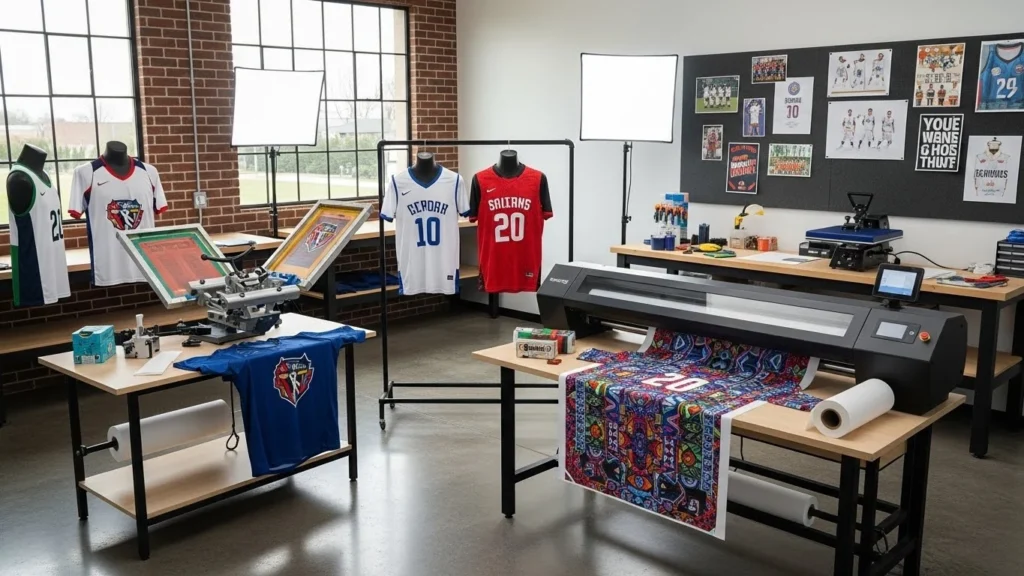
Many sportswear brands also collaborate with sublimation sportswear specialists capable of producing lightweight graphics and customized branding systems without reducing flexibility or comfort.
OEM Manufacturing Supports Modern Running Brands
OEM production has become one of the most important systems within sportswear manufacturing because it allows activewear companies to scale production efficiently.
A scalable running shorts manufacturer commonly supports:
- marathon apparel brands
- fitness startups
- running clubs
- athletic retailers
- private label sportswear companies
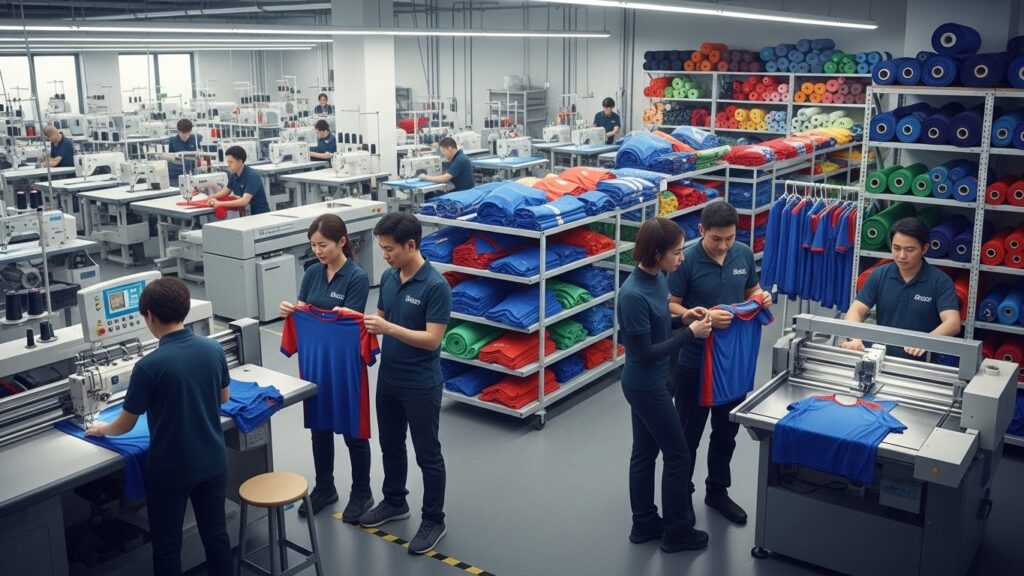
Many brands now collaborate directly with OEM athletic apparel manufacturers responsible for:
- textile sourcing
- garment sampling
- fit testing
- production scaling
- quality control systems
This structure allows brands to focus more heavily on:
- athlete sponsorships
- e-commerce growth
- retail partnerships
- running community marketing
Many growing businesses also work with private label sportswear manufacturing providers capable of producing customized endurance apparel collections under independent brand identities.
The Future of Running Apparel Manufacturing
The future of endurance sportswear manufacturing is expected to focus heavily on adaptive fabrics, lightweight construction systems, and sustainable textile innovation.
Recent performance sportswear manufacturing trends analysis highlights how activewear companies increasingly prioritize:
- recycled performance fabrics
- ultra-lightweight construction
- adaptive ventilation systems
- faster product development cycles
A future-focused running shorts manufacturer increasingly invests in lightweight recycled polyester systems, stretch-performance engineering, and environmentally responsible manufacturing strategies.
At the same time, athletes continue demanding apparel capable of balancing:
- movement efficiency
- sweat management
- lightweight comfort
- long-term durability
Manufacturers capable of combining technical engineering with scalable OEM production systems will likely remain highly competitive throughout the future endurance sportswear market.
Conclusion
Modern running apparel manufacturing has evolved into a highly specialized area of sportswear engineering where movement science, lightweight fabrics, moisture management, and ergonomic construction all work together.
A reliable running shorts manufacturer now plays a major role in helping sportswear brands create technically advanced endurance apparel optimized for comfort, flexibility, and athletic performance.
From lightweight marathon shorts and moisture-control running apparel to OEM production systems and private label endurance wear collections, professional manufacturing partnerships continue shaping the future of modern athletic apparel.
Businesses seeking scalable running apparel production and advanced endurance sportswear manufacturing solutions can explore professional services through Bushi Sports®.